Auditory Rehabilitation
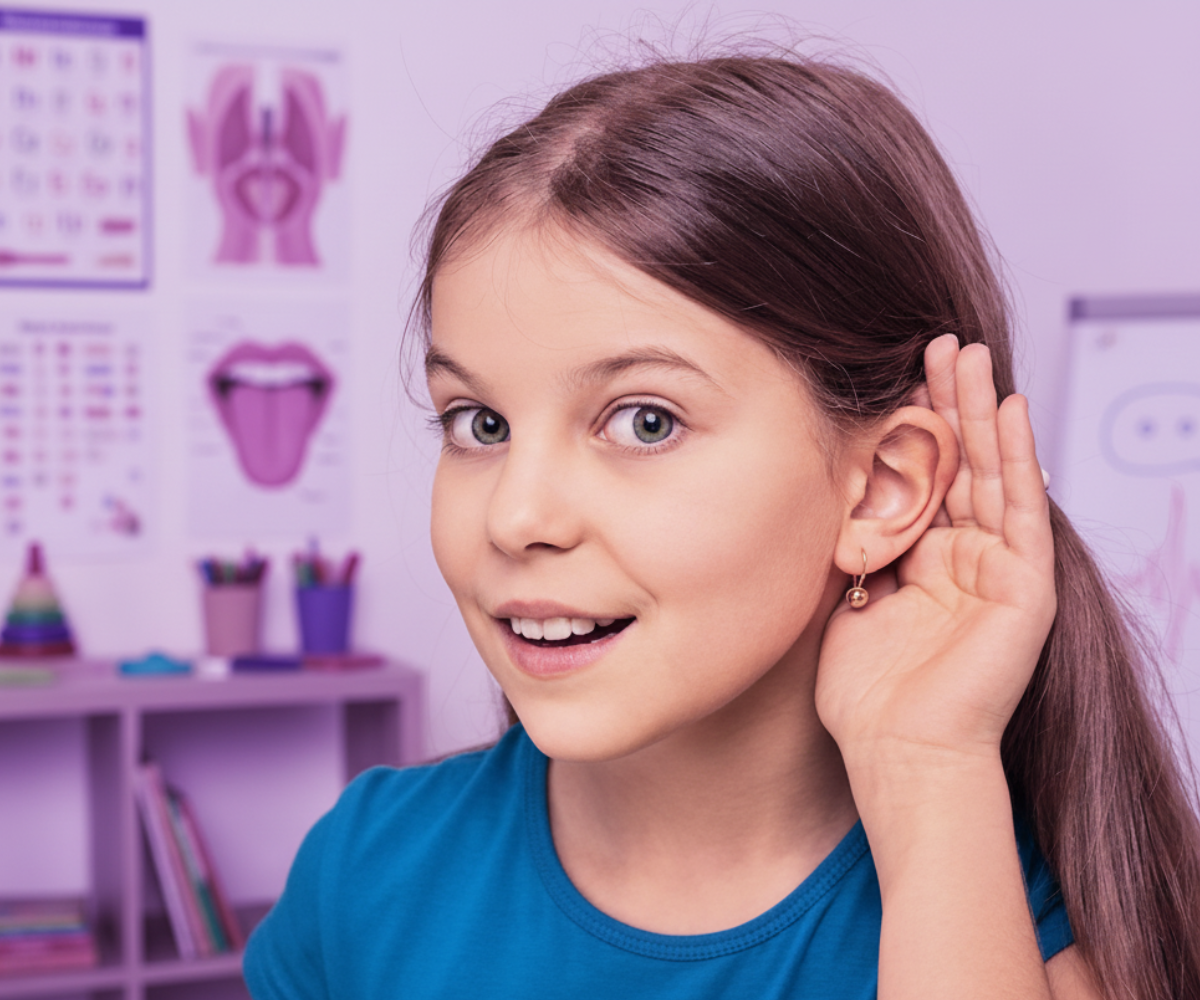
Auditory rehabilitation refers to a range of interventions designed to improve a person’s ability to detect, recognize, and understand sounds. These approaches also focus on developing language skills and integrating communication strategies into daily life.
Rehabilitation methods vary depending on age, the type of hearing difficulty, its severity, and its impact on daily functioning.
For adults, common approaches include:
- Cochlear implants
- Hearing aids
- Rehabilitation exercises, including auditory training
- Learning effective communication strategies
- Environmental modifications
For children, common approaches include:
- Cochlear implants
- Hearing aids
- Auditory perception training
- Speech and language exercises
- Learning communication methods such as sign language and lip reading
Auditory rehabilitation trains the brain to focus on important sounds and understand speech more effectively. It also helps individuals learn to fill in missing parts of speech when sounds are unclear.
Its effectiveness is enhanced when delivered through a comprehensive plan that combines medical devices—such as hearing aids or cochlear implants—with therapy exercises guided by speech and language specialists and practiced in daily life.
Yes. At Al Methaly Speech & Swallowing Center, our specialists design individualized rehabilitation plans tailored to each patient’s needs, based on scientific evidence and the latest global rehabilitation methods.